Classic menu engineering divides items into four categories based on popularity and profitability. AI doesn't replace this framework—it makes it dynamic.
Your menu isn't just a list of dishes. It's a decision architecture—a system that guides customers toward choices that work for them and for you. AI transforms this from intuition to science.
Section 01
The Menu Matrix
Stars
High profit + High popularity
→ Promote aggressively
Puzzles
High profit + Low popularity
→ Reposition or rename
Plowhorses
Low profit + High popularity
→ Reduce cost or raise price
Dogs
Low profit + Low popularity
→ Remove or reinvent
System Insight_
"The static menu is dead. AI enables menus that respond to weather, inventory, day of week, and even who's walking through the door."
// A rainy Tuesday calls for comfort food promotion. A sunny Saturday, for high-margin cocktails. AI connects these dots automatically.
Section 02
The AI Layer
Here's what AI adds to traditional menu engineering:

>
Description Optimization
AI analyzes which words drive orders. "House-made" outperforms "fresh." "Slow-braised" beats "cooked." "Local" matters more than "organic."
>
Price Elasticity Mapping
Which items can handle a $2 increase without affecting orders? AI finds the ceiling for each dish based on actual behavior, not guesswork.
>
Pairing Intelligence
What do people actually order together? AI reveals hidden patterns. That appetizer you thought was standalone? It triples dessert orders.

>
Waste Prediction
AI connects menu performance to prep quantities. Less spoilage, tighter margins, and specials that actually move expiring inventory.
Section 03
A Practical Framework

Here's how to implement AI-driven menu engineering without overwhelming your operation:
- 01. Start with data you have: POS sales, item costs, time-of-day patterns. Don't wait for perfect data.
- 02. Identify your "puzzles": High-margin items that don't sell. These are your biggest opportunities.
- 03. Test one change at a time: New description, new position, new price. Measure for 2-4 weeks.
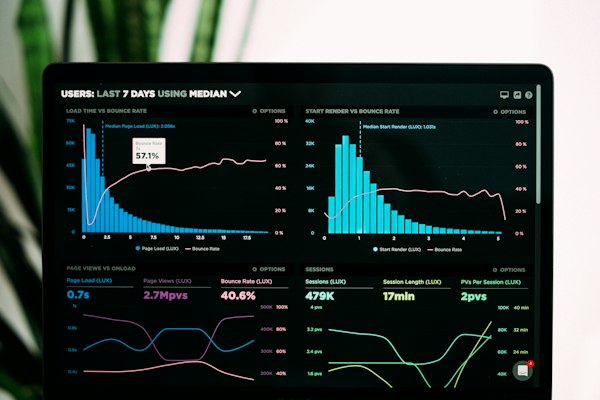
- 04. Let AI track for you: Automated dashboards catch what human observation misses.
- 05. Iterate monthly: Menu engineering isn't a project. It's an ongoing practice.
Section 04
What Changes
Restaurants that implement AI-driven menu engineering typically see:
- → 8-15% improvement in average check size through strategic positioning
- → 15-25% reduction in food waste through demand prediction
- → Higher staff confidence in upselling because they know what works
- → Faster menu decisions backed by data instead of debate
The goal isn't to replace your culinary instincts. It's to free them—to let you focus on food while AI handles the math.

Ready?
Let's look at your menu together and find the hidden opportunities.